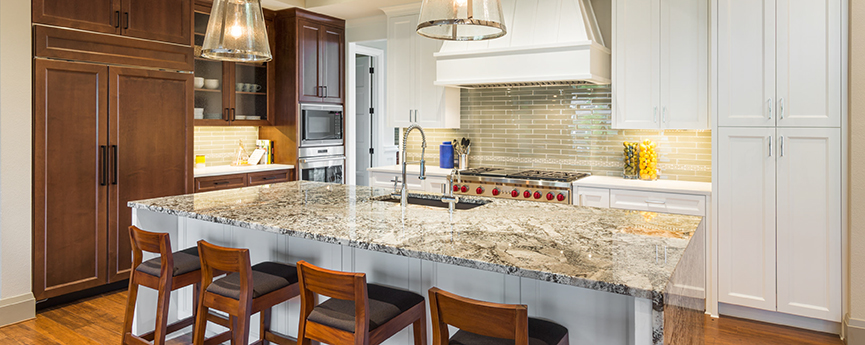
Adding a Kitchen Island to Your Home Renovation Project
The kitchen is one of the most frequently-used rooms of any home. You cook there, your kids often do their homework there, and in most modern homes, the kitchen spills into the dining area or even looks into the living room. This is why homeowners need their kitchens to be attractive, have a good flow, and be incredibly user-friendly.
If your kitchen isn’t all of the above, it may be time for a home renovation project that involves a kitchen upgrade. Even if you’re not planning on selling your home anytime soon, you should always think of resale value any time you take on this type of project. While minor remodeling projects bring in the best return on investment for a kitchen, what if you’re thinking of going a step farther and adding a kitchen island? Here’s what you need to know.
When Adding a Kitchen Island, Start With a Clear Budget
Depending on how you envision your kitchen island, it could add a significant cost to your remodeling project. Some islands are simply designed to provide additional workspace, seating, and storage, while others totally revamp the flow of the kitchen by shifting the cooktop or the sink to the island. Sites such as HomeAdvisor can give you a general idea about how much various items cost, but keep in mind that moving elements such as plumbing and electricity can run the bill up fast. If you’re set on adding a kitchen island, it may be possible to bring down the cost in other areas (such as choosing more affordable flooring or countertops).
Get the Seating Right
These days, most families no longer require formal dining spaces in their homes (or use them if they have them). Adding a kitchen island provides an excellent opportunity to create a dining space in the room your family uses the most. Keep in mind that each person seated at the island will need 24 inches of elbow room to be able to sit and eat comfortably side-by-side. You also don’t want people bumping their knees on the bottom of the countertop, so allow 9 to 13 inches of vertical space between the counter and where their knees will be.
Consider Size and Flow
While a kitchen island is a huge plus when marketing your home for sale, it’s a huge turnoff if potential buyers show up to find that the island is too big or awkwardly-placed. This will also be a problem for you during the time you own the house. This is why all kitchen island additions should be carefully planned out (preferably by a professional with experience in building them). No matter the size of your kitchen, it’s a good rule of thumb to leave 42 to 48 inches of space for traffic to move around the island. You also need to ensure that you don’t interrupt the “work triangle” — the path between your sink, stove, and fridge that’s traveled frequently as you cook.
Customize It for Your Needs
You’ve considered all of the factors that matter for resale, but how will you actually use your kitchen island for the time you own your home? This should play heavily into the design. Do you have lots of large appliances that you’d like to stash away in a place that’s easily accessible? While putting that heavy food processor or mixer up in a high cabinet may keep it out of sight, it can be frustrating to have to climb up on a footstool to drag it down. Kitchen island storage can eliminate a lot of this hassle.
Adding a kitchen island can also help organize appliances that are currently installed in ways that take up additional space throughout the kitchen — bringing the microwave down off of the countertop and building it in, for example. Whether you’re a fantastic baker or love using every spice imaginable in savory stews, your island can be customized to store everything you use the most. From baking racks to spice racks, there are no limits to what can be included in kitchen island design.
Just as with any home remodeling project, adding a kitchen island should be budgeted and planned out very carefully. Once you do so, you’ll find that it will add a boost of value, as well as enhanced livability, to one of the most important rooms in your life!