5 Things to Inspect Before Selling a House
Getting a pre-inspection of your house before listing it for sale is a good idea, especially if you want to try to get the best price in a competitive market. But do you know what to inspect before selling? Even though you’re living in your house and may think everything is functioning, there can be issues that you aren’t aware of. Identifying what needs to be inspected before the “For Sale” sign gets placed in your yard ensures you’ll be on the right track.
The 5 Most Important Things to Inspect Before Selling a House
1. Mold
Mold can be a big concern for potential buyers. In fact, many consider it the No. 1 thing to watch out for. Since mold poses potential health hazards, and many people are allergic to mold, you may find it difficult to attract buyers if there’s any trace of mold in your house. According to a 2016 UNICEF report, mold can raise the risk of a variety of asthma-related diseases and respiratory ailments by almost 30-50 percent.
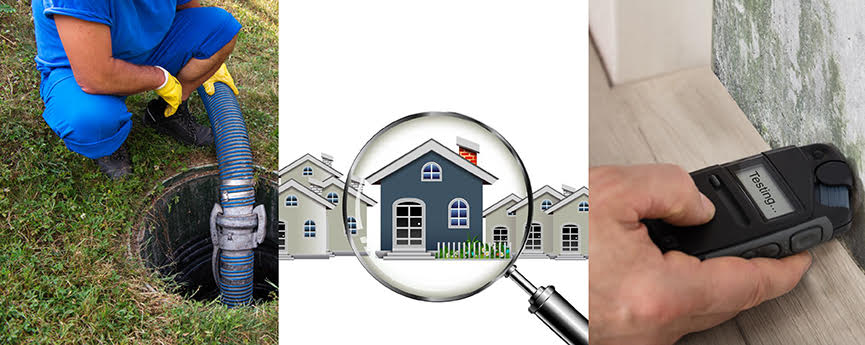
Make sure you thoroughly check your attic, basement, corners of your house, and so on, to search for mold growth. Areas of your house where water can penetrate easily are most susceptible to mold growth.
If you’re unable to solve the mold mystery on your own, you can get in touch with mold remediation experts for a quick fix.
2. Septic System
If your house has a septic system, be prepared for a lot of questions from home buyers. Even if you’ve been successful in maintaining your septic tank, buyers may not believe you — or even really know what a septic tank is/does. And if potential buyers discover issues with a septic tank during their inspection, they may walk away right then and there.
To avoid this possible scenario, plan a pre-inspection of your septic tank and fix any issues that you discover. According to a report by the U.S. Department of Health, septic systems continue to fail at alarming rates. In some cases, the rate of failure is more than 50 percent. And, in most states, including Illinois, septic system inspection is mandatory for house sellers.
3. Radon
If your house is built in soil containing high levels of uranium, there is a high chance that Radon gas can collect in your house. High concentrations of Radon gas are hazardous for people living in those homes. Scientists in the U.S. estimate that approximately 1 out of 15 houses in the country have Radon levels above the recommended levels. It is also estimated that approximately 7,000-28,000 Americans die each year from lung cancer caused due to Radon.
Radon testing is simple and can be easily done at home. Just place a Radon testing kit inside your house for a day or two, then send it to the lab for testing. If you do find Radon, you can hire a Radon contractor to install a Radon mitigation system.
4. Bugs and Pests
Bug and pest infestation are some of the key concerns for house buyers, especially termite infestation. Since you cannot spot these infestations easily because they are hidden in difficult corners and spaces, you need a house inspector to help you.
If you spot any bug or pest infestations during the inspection, you can arrange for a pest control company to address the problem before you invite buyers to tour your house.
While mold, septic systems, Radon, and pests are the main items inspectors look for, you’ll still want to run a fine-toothed comb over your entire house. A general house inspection typically covers every mechanical and structural aspect of your home, including electrical systems, heating systems, plumbing systems, foundation, and roof. If you address possible issues along these lines upfront, you’ll have a far easier time selling later.