How Much Value Do Home Renovations Add to the Sale of a House?
When it’s time to sell your home and that home is in need of updating, a delicate game of numbers begins. Should you update the kitchen or paint the exterior of the house before putting it on the market? What about repairing that nagging leak in the roof? Will you ever get a return on that investment? “How much value do home renovations add?” many homeowners wonder as they prepare to face a competitive real estate market.
How Much Value Do Home Renovations Add?
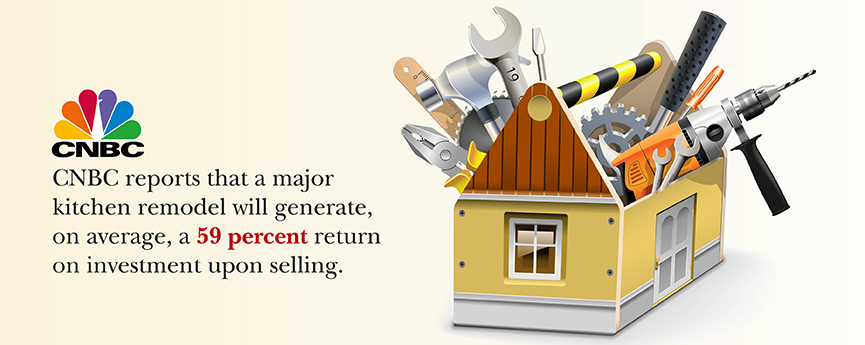
For many large home renovations, the return on investment when selling is well below 100 percent. In fact, some of the most common home renovations (kitchen and bathroom) provide a shockingly low ROI. In its 2018 Remodeling Cost vs Value survey, CNBC reports that a major kitchen remodel will generate, on average, a 59 percent return on investment upon selling. Bathroom remodeling projects fare a bit better at just over 70 percent.
Experts agree that your best bet is to take on smaller, more cosmetic updates such as repairing or replacing broken fixtures and appliances or giving your rooms a fresh paint job. Minor kitchen remodels, for example, generate an 81 percent ROI.
So when is it a good idea to take the plunge and pay for a larger project before putting a property on the market? When calculating how much value home renovations may add to your home, the following situations may weight your decision more heavily towards renovating.
If There’s Deferred Maintenance
While ripping out your old kitchen and installing a brand-new gourmet kitchen may not pay off when you sell your home, there are times when calling in a contractor makes sense. This is particularly the case if there are maintenance issues that have been deferred for years. Most buyers are going to be spooked by a home with major roof and plumbing leaks or foundation issues. You will, however, likely attract home flippers eager to purchase your home… but for a steep discount off of your asking price.
In addition to all of this, damage caused by these types of problems will continue to worsen over time while your home sits on the market. This is one situation where making repairs may be the right move.
For Certain Types of Buyer Financing
Many homeowners don’t realize that major gaps in home maintenance not only affect the appeal of your property; it could also affect a potential buyer’s ability to secure financing for the purchase. Deferred maintenance items can be a disqualifying factor for certain home loans.
For example, Federal Housing Administration (FHA) loans specify that a home be heated and that it have a functioning stove before the close of escrow. Switching out a stove doesn’t require a huge investment and is a nice cosmetic update, but repairing (or installing) a functional heating system can be pricey. Pushing this problem to the side, however, might result in many buyers passing on your property in favor of others that aren’t a risk to their ability to get financing.
Potential buyers may also be hesitant to consider your home if they don’t have a lot of cash on hand to make major repairs. The numbers add up fast when they have to shell out a home down payment plus closing costs, and footing the bill to repair bad plumbing in the upstairs bathroom immediately after closing may not be possible for some buyers.
The Bottom Line
When considering how much value home renovations add, you’ll have to think about your ideal buyer, your target price tag, and how quickly you’d like to sell. If you’re not sure what type of projects to undertake and which ones to pass on, talk to your realtor to get expert advice. They’ll be able to guide you in the right direction to generate the best value while selling as quickly as possible.